How to Cook Balanced, Healthy Meals for Your Dog at Home
Author:sana
Released:March 19, 2026
Preparing fresh, wholesome meals for your dog at home can be incredibly rewarding and healthy. Dogs with food allergies, itchy skin, or sensitive stomachs often do much better on a home cooked diet. But cooking for your dog isn’t just about tossing some chicken and rice into a bowl. Here’s what you really need to know to create nutritious, balanced homemade dog food that keeps your pup healthy for the long haul.
Why Your Dog’s Diet Deserves Extra Attention
A study from Texas A&M University found that only about 6% of homemade dog diets met basic nutritional standards. Another study from UC Davis came back with even scarier numbers: 95% of the homemade recipes they looked at were missing key nutrients, and 83% had multiple major gaps. Without proper planning, dogs can miss out on calcium, vitamin D, zinc, and other essentials. Over time, that can lead to bone problems, a weak immune system, and other health issues.
Don’t let that scare you away from cooking for your dog. It just means you need to do it the right way.
What Your Dog Actually Needs in Their Bowl
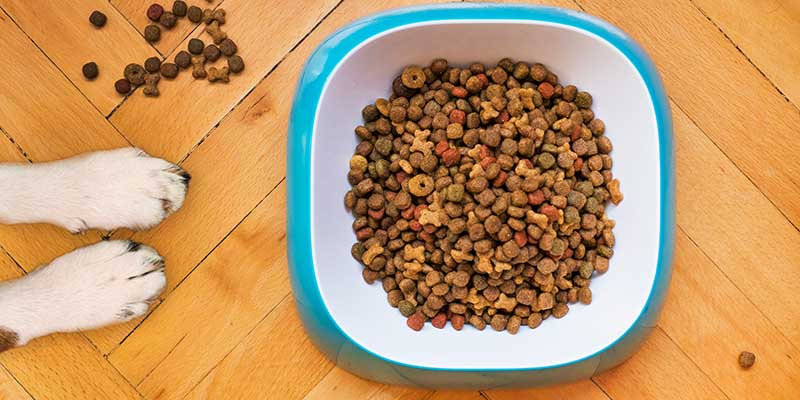
AAFCO (the group that sets pet food standards) says every dog needs six types of nutrients: water, protein, fat, carbohydrates (including fiber), vitamins, and minerals. A truly balanced homemade diet has to provide all six in the right amounts for your dog’s age and activity level.
Protein: The Most Important Piece
Protein should be the star of any homemade dog meal, making up roughly 20 to 30 percent of total calories for most adult dogs. Good quality protein gives your dog essential amino acids that keep their muscles strong, their immune system working, their hormones balanced, and their skin and coat healthy.
The best protein options for homemade meals include lean poultry (chicken or turkey, no skin or bones, fully cooked), beef (ground or cubed, trimmed of visible fat), fish (salmon or tuna, cooked and deboned), eggs (scrambled, hardboiled, or poached), and organ meats like liver or kidney. Just go easy on organ meats since they’re super dense in nutrients.
And here’s a tip: animal proteins are much easier for your dog’s body to absorb than plant proteins. So when you’re building a meal, think animal protein first.
Fats: Fuel and Skin Health
Fats give your dog concentrated energy and help them absorb vitamins A, D, E, and K. They also keep skin healthy, make coats shiny, support brain function, and fight inflammation.
AAFCO says adult dog food should have at least 5.5% fat (measured without water). Great fat sources for homemade meals include fish oil (packed with omega 3s), flaxseed or flaxseed oil (plant based omega 3s), and chicken fat (dogs love the taste). Adding a fish oil supplement can really help with joint health, brain function, and coat condition.
Carbs and Fiber: Digestion Help
Dogs don’t technically need carbohydrates, but carbs provide useful energy and fiber that keeps digestion running smoothly. Carbs can make up anywhere from 0 to 50% of a dog’s calories, depending on their energy needs and health.
Safe, healthy carb choices include cooked whole grains like brown rice, quinoa, oats, and couscous; sweet potatoes and pumpkin (great for fiber and beta carotene); plain boiled pasta (no sauce); and green veggies like broccoli, green beans, peas, and cauliflower.
Pumpkin deserves a special shout out. It’s full of soluble fiber that helps with both constipation and diarrhea, making it a fantastic addition to many homemade recipes. The U.S. Food and Drug Administration also has a handy list of which human foods are safe for pets and which aren’t.
Vitamins and Minerals: Where Most People Mess Up
Vitamins and minerals are where homemade diets usually fall apart. The most common gaps include calcium and phosphorus (needed for bones, muscles, and teeth), zinc (skin, coat, and immunity), copper (red blood cell production), choline (brain and liver health), vitamin D (calcium absorption, rarely enough in homemade food), and vitamin E (antioxidant for immunity).
Getting the calcium to phosphorus ratio right is crucial. Muscle meat has lots of phosphorus but zero calcium. If you feed only boneless meat without adding calcium, you’ll throw off the balance big time. Dogs need roughly a 1:1 ratio of calcium to phosphorus for healthy bones. A long term imbalance can lead to “rubber jaw,” where the bone actually softens and becomes rubbery.
Adding Fresh Foods to Your Dog’s Regular Meals
Even if you don’t want to cook every meal from scratch, you can still boost your dog’s regular kibble with fresh, healthy ingredients. A few nights a week, add small portions of leftover lean meat or veggies to their bowl.
Veggies Dogs Love
Almost any raw or steamed vegetable works well. Try carrots (crunchy and full of beta carotene), green beans, broccoli, cauliflower, peas, leafy greens like spinach or kale (small amounts), and cooked sweet potatoes or pumpkin. Just never feed onions, garlic, chives, or leeks. Those allium vegetables are toxic to dogs.
Fruits That Are Safe
Many fruits are great for dogs. Apples (no seeds or core) have vitamin C and fiber. Bananas are high in potassium but go easy because of the sugar. Blueberries are loaded with antioxidants. Strawberries, watermelon (no rind), and mango (no pit) are also fine in small amounts.
Never give your dog grapes or raisins. Even a few can cause sudden kidney failure in some dogs. Corn on the cob is another danger. The cob itself can block the intestine and need emergency surgery.
Other People Foods That Work Well
Peanut butter is a favorite, but pick organic, no additive kinds, and double check that there’s no xylitol. Xylitol is a sweetener that’s extremely toxic to dogs. Even a little can cause a huge insulin spike, leading to dangerously low blood sugar and liver failure.
Plain yogurt and cottage cheese are fine in small amounts, but watch for lactose issues. Eggshells can be baked for 10 to 15 minutes until soft, then ground into powder as a natural calcium source. Apple cider vinegar (about 1 teaspoon per quart of water) can help with digestion.
Superfoods Worth Adding
Beyond basic nutrition, some “superfoods” give your dog an extra health boost. Blueberries are low calorie and packed with antioxidants for immunity and brain health. Kale and spinach are full of vitamins A, C, and K, plus iron and calcium.
Pumpkin helps with digestion. Sweet potatoes provide fiber, beta carotene, and energy. Carrots support eye health and act like a natural toothbrush. These whole foods aren’t just calories. They deliver real compounds that help your dog stay healthy over time.
Foods That Should Never Go in Your Dog’s Bowl
The list of human foods that are toxic to dogs is longer than most people think. Knowing what not to feed is just as important as knowing what to feed.
Highly toxic: Xylitol (in sugar free gum, candy, toothpaste, baked goods, some peanut butters) can kill a dog within hours. Grapes and raisins can cause sudden kidney failure, and no one knows exactly why some dogs are affected and others aren’t. Onions, garlic, chives, and leeks destroy red blood cells and cause anemia. Chocolate and caffeine contain methylxanthines that lead to vomiting, diarrhea, seizures, and even death.
Other dangerous foods: Macadamia nuts cause weakness, vomiting, tremors, and fever. Avocado has persin, which can damage the heart, and the pit is a choking hazard. Raw meat and raw eggs can carry Salmonella and E. coli. Raw egg whites also have avidin, which messes with biotin absorption if you feed a lot over time.
If your dog eats any of these, call your vet or the Pet Poison Helpline right away. Waiting can be deadly.

Handling, Cooking, and Storing Homemade Dog Food
Homemade dog food has no preservatives, so it goes bad much faster than kibble. Good food safety habits protect both your dog and your family.
Cooking basics: Cook all meat all the way through to kill bacteria like Salmonella and E. coli. Use separate cutting boards and utensils for raw meat. Wash your hands with soap and warm water before and after touching pet food. Clean any surfaces that come into contact with raw ingredients.
Storage tips: Once cooked and cooled, put meals in airtight containers and keep them in the coldest part of the fridge. Refrigerated homemade food stays fresh for 2 to 3 days. Batch cook and freeze portions in sealed containers to keep them for weeks or months. Thaw frozen food in the fridge, never on the counter, which lets bacteria grow. Label everything with the date and what’s inside.
A Simple Plan to Start Safely
Ready to start cooking for your dog? Here’s a step by step plan that works.
- Talk to a pro first. Before changing your dog’s diet, check with your vet or a board certified veterinary nutritionist. They can look at your dog’s age, breed, weight, activity level, and any health issues to give personalized advice.
- Use a reliable recipe. Don’t trust random recipes from social media or random blogs. Work with a vet to create a custom recipe, or use a vet designed tool like Balance It or PetDiets. The World Small Animal Veterinary Associationhas global nutrition guidelines that many vets follow.
- Start small. If you’re not ready to go all in, start by replacing 20 to 30 percent of your dog’s commercial food with fresh, cooked ingredients. This “80/20” approach lets you add healthy variety without messing up nutritional balance.
- Weigh everything. Use a kitchen scale, not measuring cups. Cups aren’t accurate enough and can lead to big mistakes over time.
- Add a supplement if needed. Even great homemade recipes often need a vitamin and mineral premix to meet AAFCO standards. These premixes fill the gaps that whole foods alone can’t cover, especially calcium, zinc, copper, and vitamin D.
- Watch your dog closely. Keep an eye on their energy, poop quality, coat condition, and weight. Ask your vet to run nutrient blood tests every 6 to 12 months to catch any problems early.
Related Posts

7 Simple Ways to Help Your Dog Stay Cool in Hot Weather

Why Cats Eat Litter and Simple Ways to Stop the Habit

Dry Cat Nose: What’s Normal, What’s Not, and When to See a Vet

Urban Dog Walking Made Easy: Organize, Gear Up, and Socialize

Why Dogs Get Hot Spots and What Pet Owners Should Know